Ayoko Ahite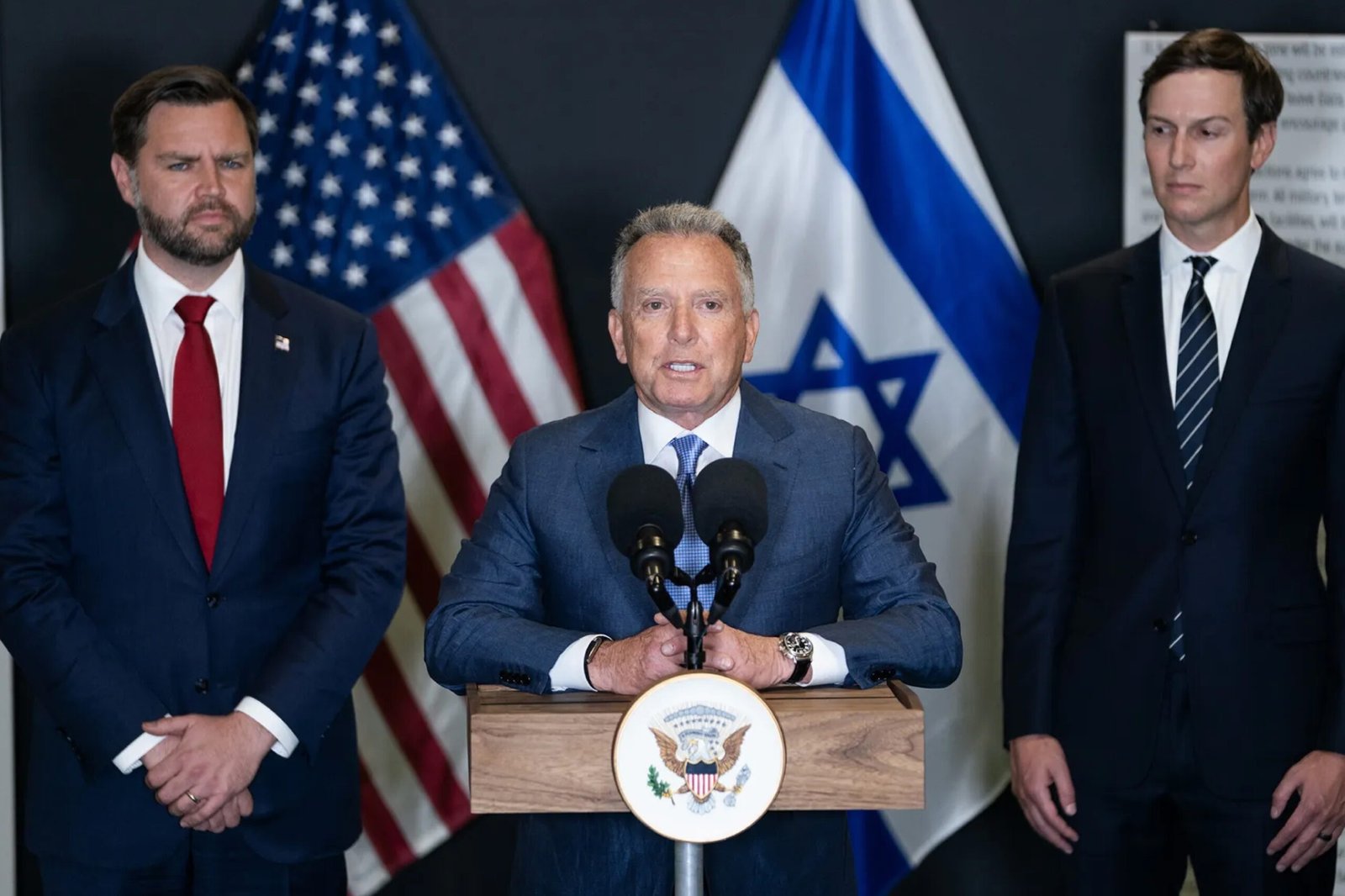
Last Updated on April 14, 2026 by Ayoko Ahite
On Saturday, April 11, 2026, a U.S. delegation, including Envoy Steve Witkoff and President Trump’s son-in-law, Jared Kushner, led by Vice President JD Vance, met with Iranian leaders in Islamabad, Pakistan, to hold peace talks in an effort to reach a permanent deal to end the war that killed thousands, including Iran’s Supreme Leader, Ayatollah Ali Khamenei.
The Iranian delegation included Iran’s Parliament Speaker Mohammad Bagher Ghalibaf and Foreign Minister Abbas Araghchi. Pakistani Prime Minister Shehbaz Sharif, Foreign Minister Ishaq Dar, and Army Chief Field Marshal Asim Munir hosted the talks.
After 21 hours of negotiation, Vance announced in a press conference that the parties couldn’t reach an agreement due to Iran’s refusal to halt its nuclear program. That came as a blow to the hope many had when the 2-week ceasefire was announced. President Trump said from the beginning of the war that his main goal was to prevent Iran from getting a nuclear weapon.
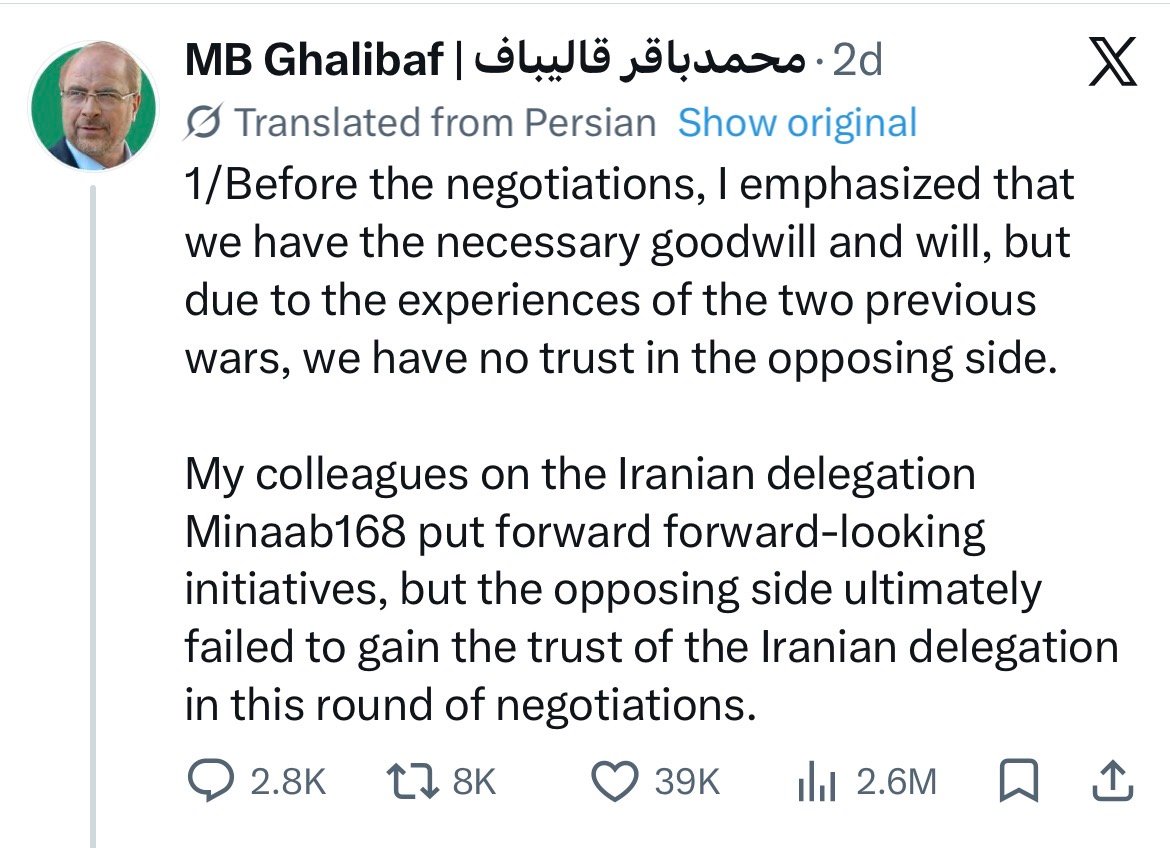
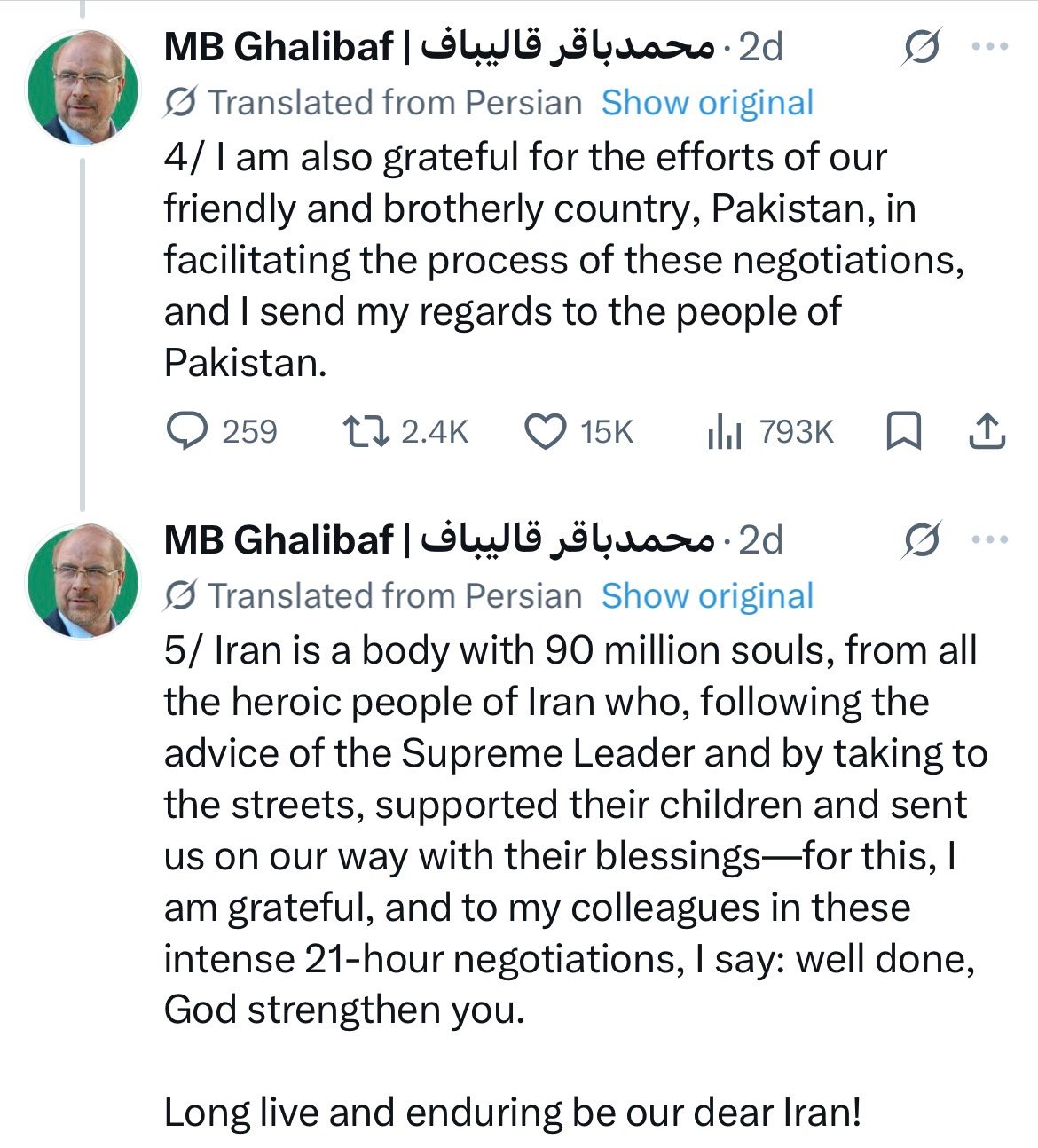
On the other hand, Iranian Parliament Speaker Mohammad Bagher Ghalibaf posted on X that a deal could not be reached because of the United States’ failure to earn Iran’s trust.
In response to the failed talks, Trump ordered a naval blockade in the Strait of Hormuz, starting at 10 a.m. ET on Monday, April 13, 2026, to prevent ships from entering or leaving Iranian ports. The goal is to halt Iran’s ability to sell oil and collect tolls, as it had effectively done since the beginning of the war, and to pressure Iranian leaders into accepting Trump’s conditions.
After the blockade went into effect, Pakistani officials announced they are proposing to host a new round of talks. Talks could resume within days if both sides agree.